
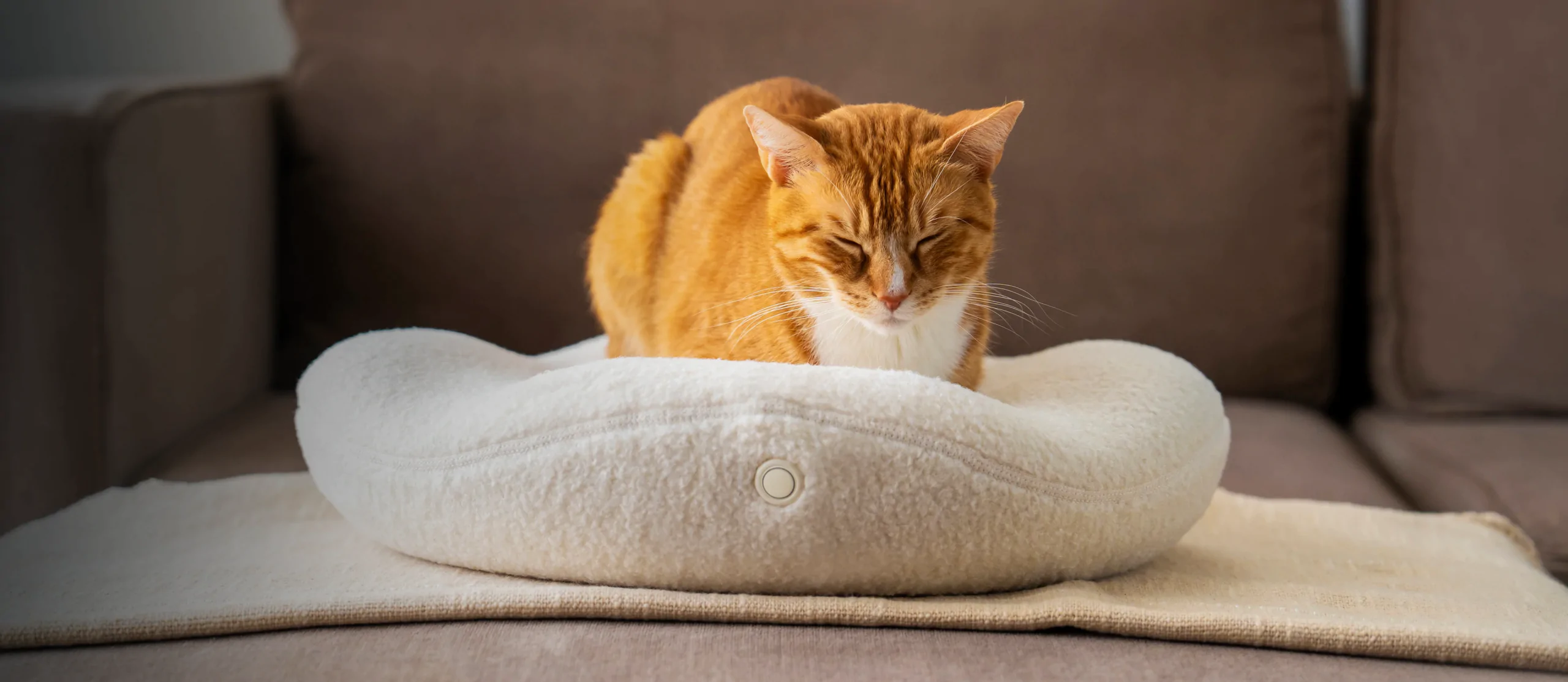
Most of us buy a cat bed, put it in the corner, and hope the cat actually uses it. Half the time they ignore it and sleep on the laundry pile instead. That’s normal. Cats are picky.
But when a cat gets older, the right bed stops being optional. Joints get stiff, getting comfortable takes longer, and a flat, thin bed doesn’t do much. That’s where something like the Knead Therapeutic Bed starts to make sense.
Knead Cats built their main product around a simple idea: senior and arthritic cats need real support and gentle warmth, not just a soft cushion. The bed uses memory foam shaped to cradle a cat’s body, plus a heating system that warms up to a cat-safe temperature. It’s not flashy, but it’s practical.
What Actually Makes the Bed Different
The foam is the part most cats seem to notice first. It has a sculpted shape instead of being completely flat, so it supports the hips and spine a bit better when they curl up or stretch out. A lot of regular beds flatten over time. This one holds its shape longer because of the denser memory foam.
The heating is the other big piece. It reaches about 104°F and has different timer modes (4-hour, 8-hour, and a shorter therapy mode). The heat is meant to help with circulation and loosen tight muscles rather than just make the surface warm. There’s also optional herbal pads you can stick under the cover for extra targeted warmth on sore spots. You don’t have to use them, but some people do for cats that have more noticeable stiffness.
The cover is removable and machine washable, which matters more than it sounds. Cats shed, and a bed that can’t be cleaned easily gets abandoned. There’s a larger 25-inch size now too, which is better for bigger cats that like to stretch.
How Cats Usually React
From what owners report, a lot of cats take to it quickly once they feel the warmth and the give of the foam. Others are slower and circle it for a few days before committing. That’s pretty typical for cats. The ones that stick with it often end up sleeping there most of the day, especially in cooler weather or if they already have joint issues.
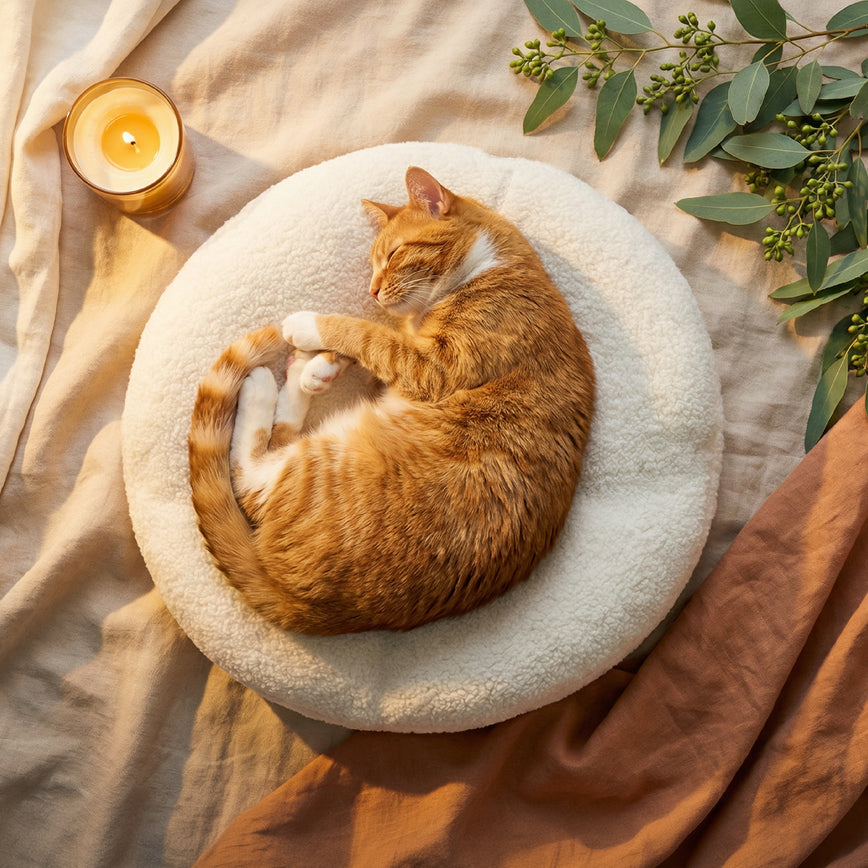
It doesn’t magically fix arthritis. No bed does. But for cats that struggle to get comfortable or that used to jump up and then stopped, having a warm, supportive spot can make daily rest easier. Some people notice their cat moves a little more freely after consistent use, mainly because they’re not stiff from sleeping on hard surfaces.
 Shop Now
Is It Worth It for Most Cats?
If your cat is young, active, and happy on any soft surface, you probably don’t need something this specific. A regular bed or even a folded blanket will do.
It makes more sense if your cat is over 8–10 years old, has been diagnosed with arthritis, or just seems uncomfortable when settling down. The combination of contoured foam and controlled heat is what sets it apart from basic heated pads or standard orthopedic beds.
The price sits higher than a regular cat bed (the therapeutic version usually runs a couple hundred dollars depending on size and sales). You also get free shipping in the contiguous US and a 30-day return window, though there’s a small restocking fee if you send it back. That gives you a chance to see if your particular cat actually likes it.
Quick Things Worth Knowing
- The heating is designed to stay in a safe range and has auto shut-off.
- Covers can be washed; the heating layer should only be wiped clean.
- It comes in two main sizes so bigger cats aren’t cramped.
- They’ve added an orthopedic (non-heated) version as well if you want the support without the warmth.
Overall, it’s one of the more thoughtful cat beds aimed at senior cats rather than just looking cute. If your cat has been slowing down or avoiding their usual spots, it’s worth looking at as a practical upgrade instead of another ignored cushion in the corner.