
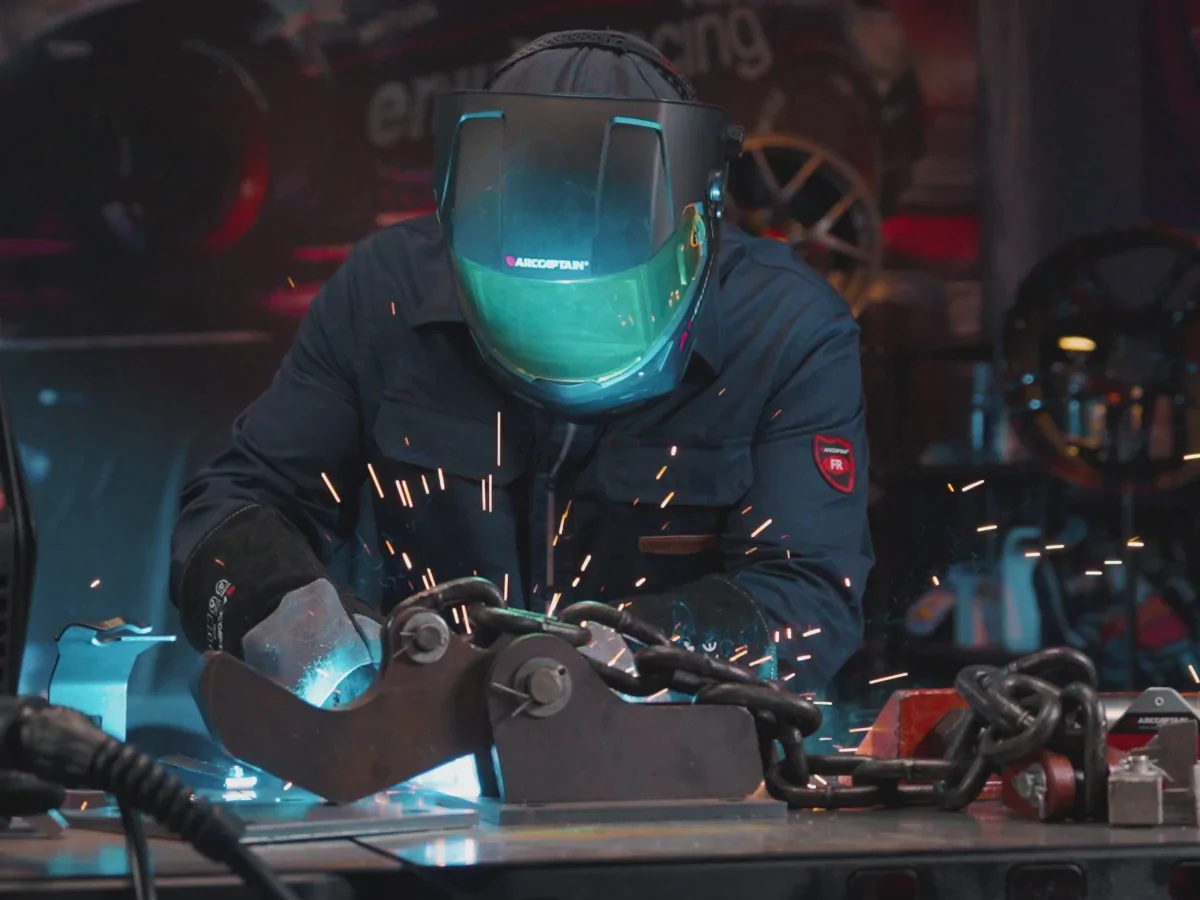
If you’ve spent any time looking at welding machines under $500–$800, you’ve probably seen Arccaptain pop up a lot. The red-and-black machines, the digital displays, the “6-in-1” claims. Some people swear by them for garage work. Others treat anything from China with suspicion and stick with the bigger names.
I looked at the actual machines people are using, the reviews from people who weld more than once a month, and the common complaints. Here’s a straightforward take on where Arccaptain makes sense and where you’re better off spending more.
What Arccaptain Actually Is
Arccaptain has been making welding equipment since the early 2000s out of Shenzhen. They’re not a small startup. They do high volume, sell heavily on Amazon and their own site, and focus on digital inverter machines aimed at DIY welders, small fab shops, and people who need one machine that can do more than one process.
Their strong point is packing a lot of features into a portable package at a price that doesn’t require a second mortgage. Dual voltage (110V/220V), synergic controls that set voltage and wire speed for you, and multi-process capability are standard on a lot of their popular models.
The Machines People Actually Buy
The MIG200 (and similar 200A multi-process versions) is the one that comes up most. It typically covers gas MIG, flux-core (gasless), stick, lift TIG, spot welding, and optional spool gun for aluminum. Dual voltage, digital display, and a claimed 60% duty cycle at higher amps on 220V. Weight is usually in the low-to-mid 20s or low 30s depending on the exact version — light enough to move around a garage without a forklift.
Other frequent ones:
- Plasma cutters like the CUT50 and CUT55 series (pilot arc versions are popular because they start easier on rusty or painted metal).
- Dedicated stick welders (ARC200 style) that are very light and simple.
- Higher-end options like the MIG205MP that add pulse and even plasma cutting in one unit.
These are not industrial production machines. They’re aimed at the person fixing trailers, building gates, doing bodywork, farm repairs, or learning welding without buying three separate tools.
Real Pros People Mention
- Synergic mode actually helps. A lot of beginners say the auto settings get them close enough that they’re not fighting the machine while learning. You can still go fully manual once you know what you’re doing.
- Portability. These are light compared with older transformer machines. Easy to put in the truck or move to the driveway.
- Value for multi-process. Buying separate MIG, stick, and a basic TIG setup would cost more. One machine covers most weekend and light commercial work.
- Warranty and returns. Many models come with a 2-year warranty and 30-day returns. That’s better than a lot of budget options.
- Customer support gets decent mentions when people have questions — not perfect, but not the “no response ever” experience some cheaper brands have.
The Limitations (Be Honest With Yourself)
- Duty cycle is fine for most garage work but not for continuous production welding all day. You’ll hit the thermal limit if you push it hard for long stretches.
- Accessories matter. Lift TIG torch and aluminum spool gun are usually extra. The included gun and leads get the job done but aren’t the nicest on the market.
- It’s a DC-only TIG on most models. No AC for aluminum with TIG unless you buy a different dedicated machine.
- Build quality is solid for the price, but it’s not Miller or Lincoln. Expect more plastic and lighter materials. Some people report the occasional QC issue, though volume sales and returns seem to keep the overall reputation decent.
- Support is mostly remote. You’re not walking into a local dealer for parts in most places.
Who Should Buy Arccaptain
This brand fits people who want one capable machine for mixed garage and light shop work without spending $1,500+. Trailer repair, farm equipment, furniture, gates, small fabrication, learning MIG after starting on stick — these use cases match what the machines are good at.
If you’re a full-time fabricator running continuous production, welding thick plate all day, or need the absolute most refined TIG experience, step up in price and brand. The gap shows up under heavy daily use.
Quick Buying Notes
- Prefer 220V power when you can. Output and duty cycle drop on 110V.
- For plasma cutting, pilot-arc models are worth the extra if you cut painted, rusty, or expanded metal.
- Check what’s actually in the box. Some “all-in-one” claims still require separate torches or guns for full capability.
- Prices move around on Amazon and the official site. Watch for sales — the difference can be $50–$150.
Arccaptain has carved out a solid place in the affordable digital welder market. The machines aren’t magic, but for the price and the features, a lot of people are happy with them for real projects instead of just occasional light duty. Match the machine to the work you actually do and you’ll probably get good use out of it.