Introduction
Play is one of the most important parts of childhood. It helps children explore the world, develop creativity, and build essential life skills. From building blocks to pretend kitchens, toys play a vital role in shaping how children learn and interact with their environment. In recent years, parents and educators have started focusing more on toys that promote imagination, independence, and educational development rather than simple entertainment.
This shift has led to the rise of brands like Tiny Land, a company known for creating thoughtfully designed toys that encourage creative and developmental play. Tiny Land focuses on wooden toys, play kitchens, indoor play structures, and Montessori inspired products that support children’s cognitive and social growth.
With a strong emphasis on safety, design, and educational value, Tiny Land has quickly become a trusted brand among parents looking for toys that combine fun with meaningful learning experiences. In this article, we will explore what Tiny Land is, the types of products it offers, and why it has become a popular choice for modern families.
What Is Tiny Land?
Tiny Land is a children’s toy brand that focuses on Montessori inspired toys and creative play products designed to support early childhood development. The brand offers a wide range of toys and play equipment including wooden play kitchens, play tents, building toys, and sensory play products.
The company’s mission is to create toys that encourage children to explore, imagine, and learn through play. Rather than relying on digital screens or electronic sounds, Tiny Land products are designed to stimulate creativity and hands on learning.
Many of the brand’s products are made with natural materials such as wood and non toxic finishes, which makes them both safe and environmentally conscious. This focus on quality materials and thoughtful design has helped Tiny Land build a strong reputation among parents and educators.
The Importance of Educational Toys
Educational toys have become increasingly important as parents look for ways to support their children’s development outside of traditional classrooms.
Research from early childhood education studies shows that play based learning improves cognitive development, problem solving skills, and social interaction in young children. Toys that allow children to explore and create freely often help them build stronger learning habits.
Key benefits of educational toys include:
• Encouraging creativity and imagination
• Improving problem solving abilities
• Supporting emotional and social development
• Enhancing motor skills and coordination
• Promoting independent learning
Tiny Land designs many of its toys around these principles, making them ideal for children who learn best through exploration and imaginative play.
Popular Products Offered by Tiny Land
Tiny Land offers a wide variety of products designed to inspire creative play. These toys are especially popular among families who follow Montessori style learning at home.
Wooden Play Kitchens
One of Tiny Land’s most popular product categories is its wooden play kitchens. These play kitchens allow children to pretend cook, serve food, and role play everyday activities.
Benefits of play kitchens include:
• Encouraging imaginative storytelling
• Helping children learn daily life skills
• Supporting social interaction during group play
Children often mimic real world activities, which helps them understand routines and develop communication skills.
Play Tents and Indoor Playhouses
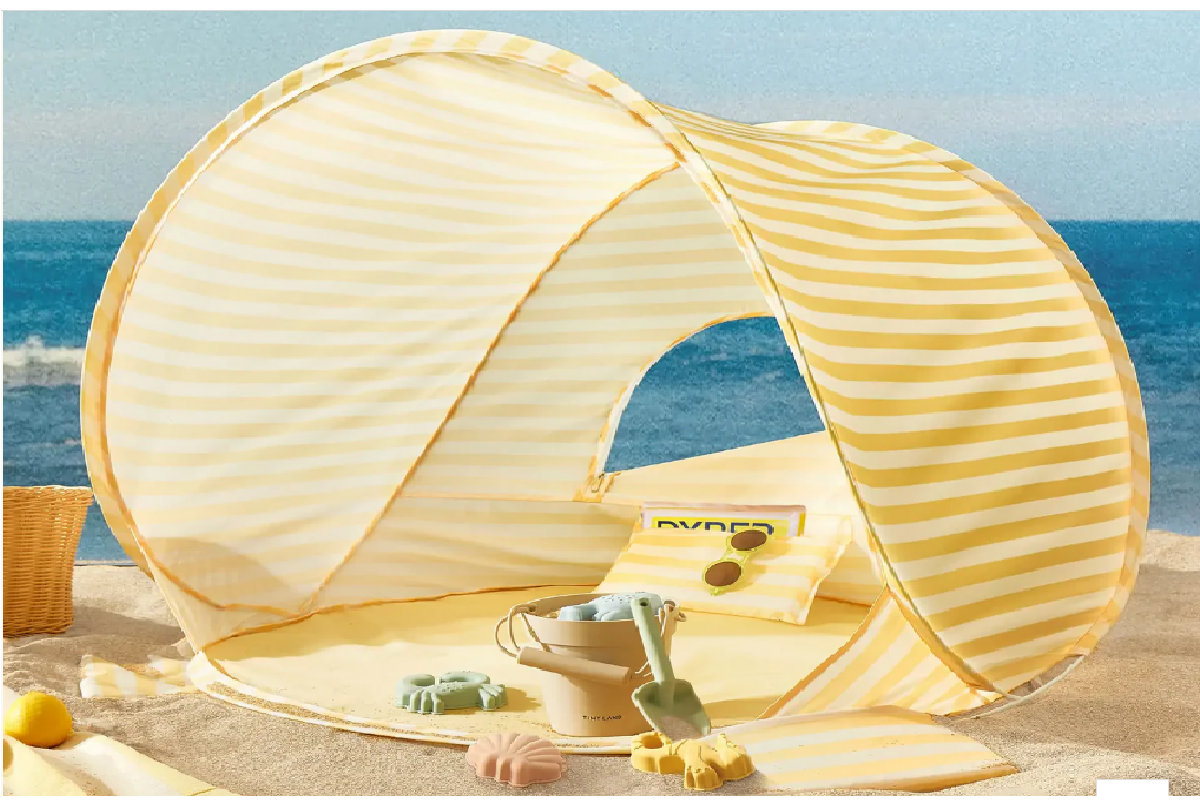
Tiny Land also produces beautifully designed children’s play tents and playhouses. These indoor spaces allow kids to create their own imaginative worlds.
Children can use play tents for:
• Reading and quiet time
• Pretend adventures
• Creative storytelling
• Indoor camping games
These products help transform any room into a creative play environment.
Wooden Toy Sets and Pretend Play Toys
Tiny Land offers several wooden toy sets designed to encourage imaginative play. These may include toy food sets, pretend cooking tools, and role play accessories.
Pretend play toys help children:
• Build communication skills
• Develop emotional understanding
• Practice cooperation with siblings or friends
Because these toys rely on imagination rather than electronics, children often stay engaged for longer periods of time.
Why Parents Prefer Tiny Land Toys
Parents today are more conscious about the quality and purpose of the toys they buy. Tiny Land products appeal to families for several reasons.
Safe and Child Friendly Materials
Tiny Land toys are designed with child safety as a top priority. Many products use non toxic paints and durable materials suitable for young children.
Focus on Creativity Instead of Screens
Unlike electronic toys that rely on lights and sounds, Tiny Land products focus on open ended play. This type of play encourages children to use imagination rather than passive entertainment.
Montessori Inspired Learning
Montessori learning emphasizes independence, exploration, and hands on discovery. Many Tiny Land toys align with these educational principles.
Durable and Long Lasting Design
Because many Tiny Land toys are made from wood and sturdy materials, they are designed to last longer than plastic toys. This durability makes them a practical investment for families.
Real World Example: A Day of Creative Play
Imagine a child playing with a Tiny Land wooden kitchen set. The child begins by pretending to cook breakfast for their parents. Soon the kitchen becomes a restaurant where the child serves imaginary meals to friends or siblings.
During this simple activity, several learning processes are happening at once.
The child is practicing communication by explaining the “menu.”
They are learning organization by arranging toy ingredients.
They are using imagination to create a story around the play experience.
This kind of creative play supports both emotional and intellectual development.
Tiny Land Product Comparison Chart
Below is a simplified comparison chart showing how Tiny Land toys support children’s development.
| Product Type | Key Feature | Development Benefit |
|---|---|---|
| Wooden Play Kitchen | Pretend cooking experience | Social and imaginative skills |
| Play Tent | Private play space | Creativity and storytelling |
| Wooden Toy Sets | Hands on play | Motor skills and creativity |
| Pretend Food Sets | Role play learning | Communication and cooperation |
This chart highlights how different Tiny Land toys support various aspects of childhood learning.
Tips for Choosing the Right Tiny Land Toy
If you are considering buying Tiny Land toys, a few simple tips can help you choose the best option.
First, consider the child’s age and interests. Younger children may enjoy sensory or pretend play toys, while older children may prefer larger play structures.
Second, look for toys that encourage open ended play. Toys that allow multiple ways to play often keep children engaged longer.
Third, consider space and environment. Indoor play tents or play kitchens work well in bedrooms or playrooms where children have enough room to explore.
Finally, focus on quality and durability. Wooden toys often provide longer lasting value compared to plastic alternatives.
Conclusion
Tiny Land has become a trusted brand for parents who want toys that combine fun, creativity, and educational value. By focusing on Montessori inspired learning and high quality materials, the company creates products that encourage children to explore their imagination while developing essential life skills.
From wooden play kitchens to imaginative play tents and role play toy sets, Tiny Land offers a wide variety of toys that support healthy childhood development. These products help children build creativity, communication skills, and confidence through meaningful play experiences.
For families looking to create a more engaging and educational play environment, Tiny Land provides a thoughtful range of toys designed to inspire curiosity and creativity. Choosing toys that promote learning through play can make a lasting difference in how children grow, explore, and understand the world around them.