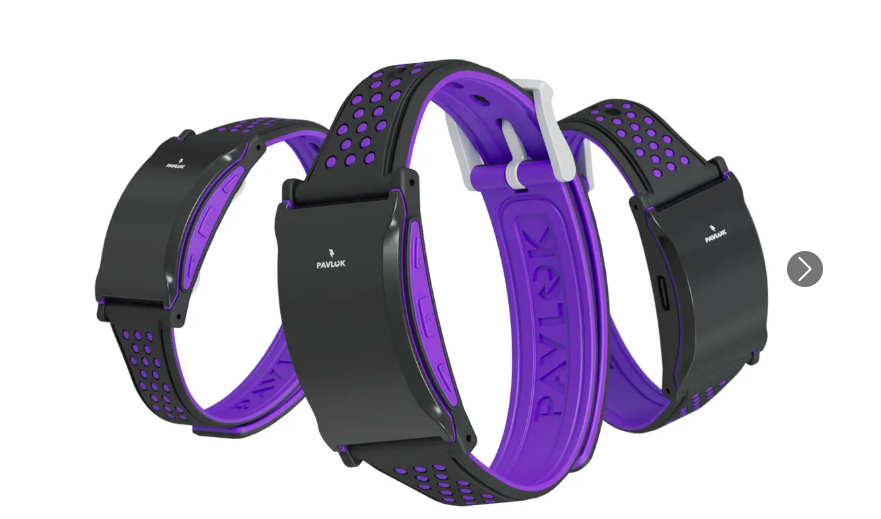
Most of us know what to do. The hard part is doing it consistently. Whether it’s scrolling late at night, hitting snooze, stress snacking, or procrastinating workouts, bad habits often win because they run on autopilot. That’s where Pavlok comes in: a wearable designed to interrupt the loop in real time, not just track it.
Unlike many habit apps and smartwatches that simply remind you after the fact, Pavlok is built around active intervention using a sequence of cues like beeps, vibrations, and a mild electric stimulus (a “zap”) to help you stop a behavior or reinforce a better one.
This article explains how Pavlok works, what it’s best for, who it’s not for, and how to use it in a practical, sustainable way.
What is Pavlok and how does it work?
Pavlok is a behavior-modification wearable paired with a smartphone app. The core idea is simple: when you’re about to do something you want to stop, you need an immediate interruption strong enough to break the pattern. Pavlok delivers that interruption through:
- Beeps (audio cue)
- Vibrations (haptic cue)
- A mild electric stimulus (zap)
These cues can be used to discourage an unwanted behavior or to reinforce a positive one. Pavlok’s own positioning emphasizes “active intervention” rather than passive tracking.
Pavlok 3 basics that matter day to day
From Pavlok’s product information, common highlights include:
- Battery life: stated as over 7 days
- Water resistance: stated as up to 1 meter
- Wear options: described as versatile, including use alongside other watches in some configurations
Why immediate feedback can be powerful for habit change
Habits are not just decisions; they are routines triggered by context. Many people quit a habit for a few days, then relapse because the cue appears again: stress, boredom, certain places, certain times. One reason Pavlok interests people is that it adds a consequence right at the moment the habit starts, not 30 minutes later when you review your tracker.
Also, habit formation takes longer than most people expect. A well-cited study from Phillippa Lally and colleagues found that the average time for a behavior to become automatic was 66 days, with a wide range depending on the person and the habit. (Wiley Online Library)
That’s a useful framing: tools like Pavlok are not “quick fixes.” They are training wheels for consistency over weeks.
Who Pavlok is best for
Pavlok tends to make the most sense for people who already know their trigger and want a strong “pattern interrupt,” such as:
- Snooze-button repeaters and heavy sleepers (Pavlok’s Shock Clock line focuses on wake-up training using vibration, beep, and zap sequences).
- Phone scrolling at specific times (bedtime routines, work blocks)
- Nail biting, skin picking, or other “automatic” habits where the behavior begins before you consciously notice it
- Procrastination loops where a physical cue can snap you back into the plan
A realistic example: someone who doom-scrolls every night might set a rule: “If I open social media after 11:00 pm, I get a vibration cue first, then a stronger cue if I ignore it.” That immediate friction can be enough to stop the behavior and redirect to a wind-down routine.
Benefits and features that add real value
Here are the practical advantages people look for in a habit-breaking wearable:
- Real-time interruption instead of delayed feedback.
- Graduated cues (start with vibration, escalate if needed)
- App-based control (Pavlok has an Android app listing for Pavlok 3).
- Subscription options for expanded features (Pavlok Plus is described with pricing such as $4.99/month, $29.99/year, or a lifetime option on their helpdesk page; pricing can vary by plan and timing).
Difference chart: Pavlok vs common alternatives
| Option | What it does well | Where it falls short | Best for |
|---|---|---|---|
| Pavlok (wearable with vibration, beep, zap) | Immediate, physical interruption and reinforcement. | Can feel intense; requires consistent setup and boundaries | Automatic habits that need a hard “snap out of it” |
| Habit-tracking apps | Awareness, streaks, planning | No real-time interruption when cravings hit | People motivated by tracking and reflection |
| Smartwatch reminders | Gentle nudges, notifications | Easy to dismiss; often becomes background noise | Light habit support (hydration, movement breaks) |
| Accountability partner or coach | Social pressure, encouragement, context-based advice | Not always available at the moment of temptation | Habits tied to identity, goals, and lifestyle change |
Safety, comfort, and common sense guidelines
Pavlok is explicit that users with medical conditions or pregnancy should consult a doctor, and that the device is not recommended for individuals under 18.
Even if you are a healthy adult, it’s smart to treat Pavlok as training support, not punishment. Start with the lowest effective cue, prioritize vibration or beep when possible, and build a plan you can follow without resentment.
How to use Pavlok effectively in a 66-day plan
If you want the best chance of real change, combine Pavlok with a simple habit strategy:
- Define the exact habit and trigger
“I snack when I feel stressed at my desk at 4:00 pm.” - Choose a replacement action
“I will drink water and walk for 2 minutes.” - Set the Pavlok cue as the interrupt
Start with vibration or beep, escalate only if needed. - Track consistency weekly, not hourly
Remember the 66-day average. A few imperfect days do not cancel progress. - Reduce intensity over time
The goal is independence: as the new routine becomes automatic, you should need less intervention.
Conclusion:
Pavlok is not for everyone, but it offers something many people genuinely lack: a real-time interruption when willpower is weakest. If your habit is automatic, trigger-driven, and hard to stop mid-action, a wearable that actively intervenes can be more effective than reminders or tracking alone.
If you’re considering it, approach Pavlok as a structured 8 to 10 week training tool. Pair it with a clear replacement behavior, start gently, and focus on consistency. Over time, the best outcome is that you no longer need the device to do the work because you have retrained the habit loop.
Subtle next step: if you want, I can also create an SEO title, meta description, and a list of LSI keywords for this Pavlok blog post to publish on your site.